


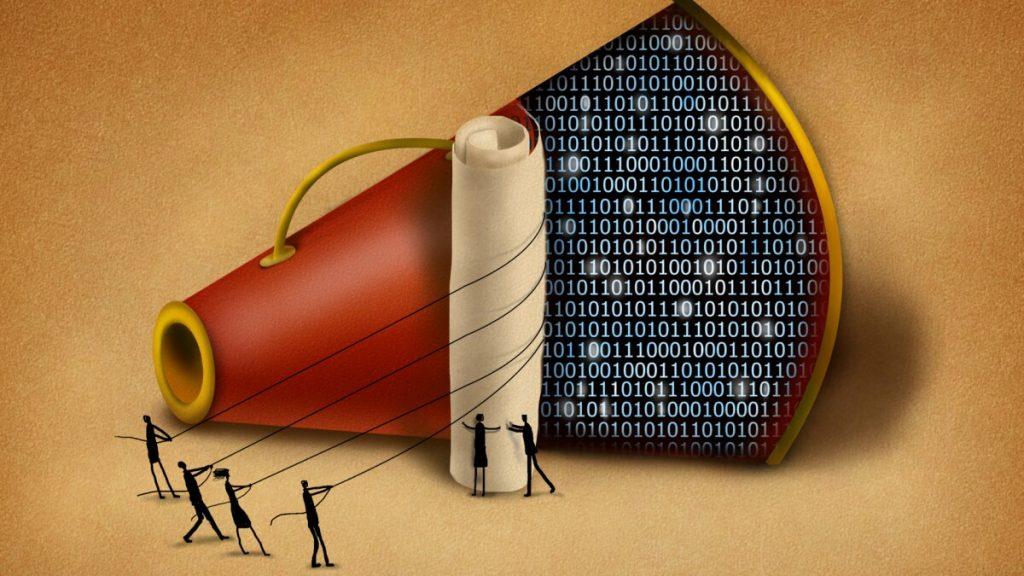
Digital marketing has become a revolutionary paradigm shift in the field of marketing. The advent of the internet and the widespread usage of digital devices has made it imperative for businesses to have an online presence, and digital marketing has facilitated this process. With digital marketing, businesses can reach out to millions of potential customers through different channels like social media, email marketing, search engine optimization, paid search advertising, and display advertising.
One of the major advantages of digital marketing is its cost-effectiveness. Compared to traditional marketing methods, digital marketing is relatively cheaper, especially for small businesses. Social media platforms like Facebook, Twitter, and Instagram provide an affordable way of advertising products and services. It only requires a small investment in money and time to create a social media account and start sharing information about your product. The result is a more significant return on investment, which can make a massive difference for a small business trying to expand.
Moreover, digital marketing allows businesses to target specific audiences better compared to traditional marketing methods. By leveraging data such as age, location, interests, and browsing behavior, businesses can create tailored campaigns and messages that resonate well with their target customers. Through social media analytics and web traffic data, businesses can track the performance of their campaigns in real-time, adjust their strategies, and optimize their marketing efforts for maximum ROI. The democratization of information and access to customer data enables companies to make more informed decisions and better engage with customers, thereby revolutionizing the marketing industry.
In conclusion, digital marketing has revolutionized the way companies approach marketing. Digital marketing provides a cost-effective way for small businesses to compete with larger corporations, making it easier to reach millions of potential customers through a variety of digital channels. With data analytics and web traffic data, companies can make decisions based on real-time feedback, track the success of their campaigns and adjust strategies to optimize results. The digital marketing revolution has indeed made marketing more democratic, customer-centric, and accessible.